
Casinos with Minimum Deposits in NZ: What to Check
 Available in US
Online casino deposit minimums vary by operator and payment method, so the amount shown at the cashier is the one that applies.

Table of Contents
- How Minimum Deposits Vary Across Online Casinos
- What a $1 Minimum Deposit Really Lets You Do
- When a $5 Minimum Deposit May Fit
- Check the Cashier Before You Rely on an Advertised Minimum
- What to Check When You’re Looking for a $2 Minimum
- Why $10 and $20 Deposits Can Depend on Your Payment Route
- A Small Deposit Is Not the Same as Easy Access to Your Money
- Read Bonus Conditions Before You Treat a Low Deposit as Good Value
- Minimum Deposits and New Zealand’s Online Casino Rules
- Can You Find a Casino with a $3 Minimum Deposit?
How Minimum Deposits Vary Across Online Casinos
There is no single deposit figure that applies to every online casino serving New Zealand. A specialist review describes minimums across the market as ranging from NZD $1 to NZD $20, with the amount depending on the operator and the payment method. Treat that as a snapshot, not a promise that a particular site will accept any amount within that range today. Deposit terms can change, and the figure that matters is the one shown for your chosen method at the cashier.
The cashier is the payment area where you select how to fund an account and see the applicable transaction conditions. A specialist review also notes that one casino may display different minimums for different payment methods. That means a site-wide headline can be incomplete: it may describe the lowest available entry point without describing the minimum attached to every route. If you have a preferred way to pay, its own listed minimum is the relevant figure.
This distinction matters whether you are considering a small starting amount or a larger one. A $1 minimum deposit casino may appear to suit someone who wants to begin with very little, but the advertised amount does not establish that every payment option will accept $1. The same caution applies when you see a $2 or $3 figure, or an offer framed around a $10 minimum. Those amounts should be checked against the cashier’s terms for the method you intend to use, rather than assumed to apply across the site.
If you are looking for casinos with a minimum deposit that suits your budget in New Zealand, check each operator’s deposit terms before choosing. This list offers a starting point for your research.
Payout speed: 1-3 business days You can note Wintino’s stated payout speed of 1–3 business days when considering it.
License: Curaçao Gaming Authority, licence no. OGL/2024/165/0185 BitStarz lists a Curaçao Gaming Authority licence, number OGL/2024/165/0185, for your reference.
License: Tobique Gaming Commission, licence no. 0000002 Ricky Casino lists a Tobique Gaming Commission licence, number 0000002, for your reference.
License: Tobique Gaming Commission, licence no. 0000064 Neospin lists a Tobique Gaming Commission licence, number 0000064, for your reference.
License: 07017519840 · Payout speed: 1-3 business days Zotabet has the identifier 07017519840 listed, and its stated payout speed is 1–3 business days.
License: Malta Gaming Authority, licence no. MGA/B2C/394/2017 N1 Casino lists a Malta Gaming Authority licence, number MGA/B2C/394/2017, for your reference.
Payout speed: 1-3 business days You can note Lamabet’s stated payout speed of 1–3 business days when considering it.
License: Tobique Gaming Commission, licence no. 0000091 7Bit Casino lists a Tobique Gaming Commission licence, number 0000091, for your reference.
License: Malta Gaming Authority, licence no. MGA/B2C/370/2017 Play Grand lists a Malta Gaming Authority licence, number MGA/B2C/370/2017, for your reference.
A useful comparison begins with the exact wording of the deposit information. Look for whether the figure is labelled as the site’s minimum, the minimum for a named payment method, or a condition attached to an offer. These can refer to different things. If a page gives one general amount but the cashier later shows another for your selected method, do not assume the smaller number overrides the method-specific condition. The payment screen is where you can confirm what applies before you proceed.
It also helps to separate the minimum from the amount you actually choose to deposit. A minimum is a threshold: it tells you the smallest transaction the operator says it will accept through that route. It does not, by itself, tell you whether that amount suits your plans or whether the same amount is available through another method. Keep the comparison narrow and practical: identify the method, read its displayed minimum, and make sure the amount you intend to send meets that condition.
When comparing sites, avoid treating a low advertised entry figure as a complete measure of value. A smaller minimum does not establish that other terms are more favourable, and a higher minimum does not tell you whether the cashier offers a different route with another threshold. The stated range is broad enough that the number alone cannot describe the full payment arrangement. You need the method-specific figure and the conditions shown alongside it.

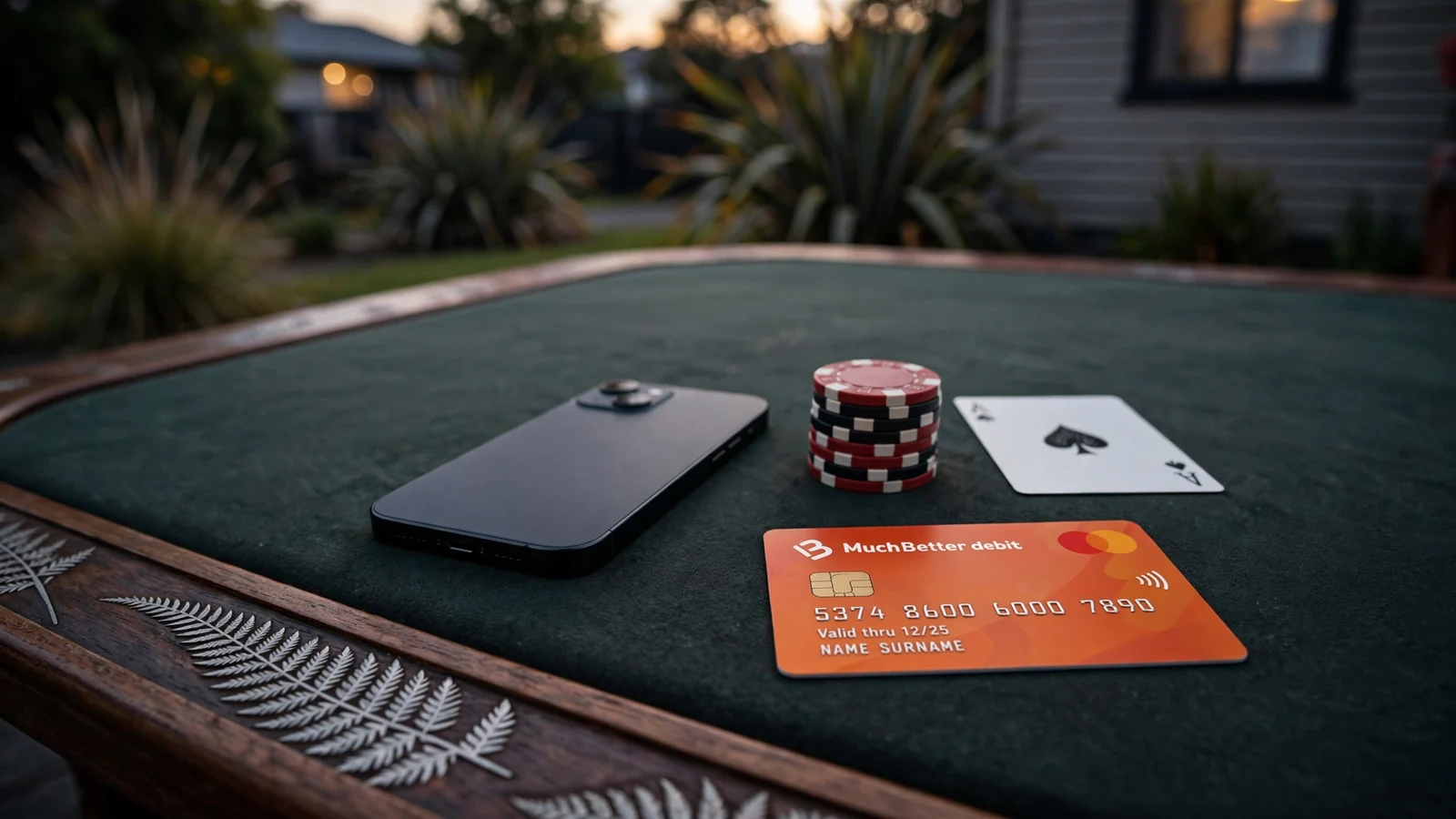
Before registering, check the cashier page for your preferred payment method, because the advertised site-wide minimum may not apply uniformly. If the terms are only visible after you create an account, look for clear payment information before you commit to registration. Do not deposit on the assumption that a promotional banner or general review figure will be honoured for a particular route if the cashier shows a different amount.
Deposit minimums are only one part of the transaction. Before sending money, check the withdrawal minimum and maximum for the payment method you expect to use to cash out as well. A low entry threshold does not establish that withdrawals can be made in the same amount or through the same route. Confirming both sides of the payment process helps you understand the practical conditions before money is involved.
For a fair comparison, record the displayed minimum beside the payment method it applies to, rather than noting only the casino’s headline figure. If the cashier presents different amounts, compare like with like: the same payment route at each site. That gives you a clearer basis for deciding whether a quoted minimum is actually available to you and avoids mistaking a site-wide figure for a universal condition.
- Check the cashier for method-specific minimums
- Compare the same payment route across different sites
- Verify withdrawal limits before depositing
- Rely on site-wide headline figures as universal
- Assume every payment option accepts the lowest advertised amount
- Deposit based on promotional banners alone
What a $1 Minimum Deposit Really Lets You Do
A $1 minimum deposit means that, where the operator and selected payment method allow it, you can put one New Zealand dollar into an account and begin real-money play. It describes the amount accepted for that particular deposit, not a promise that every casino accepts a dollar or that every cashier option will do so. A specialist review describes a $1 minimum deposit casino as one where a player can start with a one-dollar payment; treat that as a description of the offer being reviewed, not a guarantee that the same amount applies across the site.
That distinction matters before you choose how to pay. A casino may display a low minimum on a general page while setting a different floor for each payment method. The advertised site-wide amount may therefore not be available through your preferred route. Before registering, open the cashier information and check the minimum shown for that method. If the amount is unclear, do not assume that the headline figure will carry through to the payment screen.
A specialist review reports that a prepaid voucher may be accepted for a deposit as low as NZ$1 at an online casino serving New Zealand. That does not establish that every voucher, operator or transaction has the same threshold. Check the cashier’s displayed terms for the specific option you intend to use, including whether it is available to you. The point is not that a particular payment route is always the answer; it is that a one-dollar starting point depends on the route as well as the casino.

If the cashier accepts a one-dollar deposit, that amount is the amount you can put in to begin. It does not tell you how long the balance will last, what a game costs to play, or whether the balance will be enough for the activity you have in mind. Nor does a small starting payment make a casino more suitable by itself. Consider whether you are comfortable with the possibility of losing the deposited amount, and do not add more simply because the first payment was small.
The phrase “minimum deposit” also refers only to money going into the account. It does not tell you what you may later be able to withdraw, or how much you need to meet a withdrawal threshold. Before depositing, check the withdrawal minimum and maximum for the same payment method you plan to use. A low entry amount can be of little practical use if the site’s withdrawal terms do not fit your expectations. Those limits may be different from the deposit terms, so read them separately rather than treating one figure as an answer to both questions.
Be careful not to confuse an available deposit with a bonus offer. A one-dollar payment may be accepted without making you eligible for every promotion shown on the site. If an offer is relevant to your decision, its own conditions determine whether that payment method and deposit qualify. The cashier amount alone cannot settle that point.
Attention: A low minimum deposit does not guarantee eligibility for all bonus offers; check the specific promotion’s conditions to see if your deposit qualifies.
A low threshold can be useful if you want to keep the initial amount limited, but it is only one part of the decision. You still need to know which payment methods accept it, whether the cashier confirms the figure, and what conditions apply when money leaves the account. If the cashier shows a higher amount for your preferred method, that is the amount to consider—not the lower figure advertised elsewhere.
The practical meaning of a $1 minimum deposit casino is therefore narrow: one-dollar real-money play is possible when the operator’s current cashier terms permit that amount through the method you select. It is not a universal site rule, and it does not make every payment option available at that level. Check the method-specific deposit figure and the withdrawal limits before you commit money.
When a $5 Minimum Deposit May Fit
A NZ$5 starting point may suit you when the payment option you intend to use has that threshold. Specialist reviews of New Zealand-facing online pokies describe e-wallet deposits through services such as Skrill and Neteller as starting at NZ$5. Treat that as a reported payment-method figure, not a promise that every casino accepts NZ$5 or that every way of paying will allow it.
The distinction matters because a casino may set separate deposit floors for separate cashier options. The amount shown beside an e-wallet can differ from the minimum for a card, bank transfer or another method at the same site. An advertised $5 minimum may therefore apply only to a particular route. If that route is unavailable to you, or you select a different option, the amount you need to deposit may change.

Skrill and Neteller are familiar e-wallet names, but their presence on a payment page does not by itself confirm that a NZ$5 deposit is accepted. Check the amount displayed for the specific service after selecting it. Also confirm that the method is available to you and that the account details you plan to use match the cashier’s requirements. The relevant figure is the one shown for your chosen option, not a general headline elsewhere on the site.
It is worth checking before you register, rather than relying on a promotional banner or a short description of the casino. Look for the deposit screen or payment information and find the minimum beside your preferred e-wallet. If the cashier requires a larger amount, a $5 figure associated with another payment method will not make your chosen route a $5 option. If the amount is not clearly shown, do not assume that the lower figure applies.
A small first deposit can also be easy to misread as a statement about the whole account. It only describes the entry point for a particular transaction. It does not tell you whether that method will suit later deposits, or whether the site’s other payment options have the same threshold. Keep the decision narrow: you are checking whether the selected cashier method accepts the amount you intend to spend.
Currency conversion fees or charges from the payment provider are separate from the casino’s minimum deposit threshold.
Before proceeding, read the payment terms alongside the cashier display. Note any currency conversion or fees that the method itself may apply, and make sure you understand the amount that will leave your account. The displayed minimum and the amount charged by a payment provider are separate details; do not assume one explains the other. If you cannot establish the total cost, pause rather than raising your deposit simply to make a transaction go through.
A $5 minimum can be a useful limit when it is genuinely available through your chosen e-wallet and fits your budget. It is not a universal casino minimum, nor does the e-wallet label guarantee that amount. Compare the cashier’s figure with your intended payment route before registering, and use only the amount you have decided you can afford to lose.
Check the Cashier Before You Rely on an Advertised Minimum
An advertised minimum can be a useful starting point, but it may describe only one way to pay. A specialist review reports that the same casino can set different deposit floors for different payment methods. That means a site-wide figure may not be available when you select your preferred option at the cashier.
This matters whether you are comparing a $5 minimum, a $10 minimum or another advertised amount. The figure alone does not tell you what you will be asked to deposit using a particular card, bank option, e-wallet or voucher. The cashier’s payment-specific terms are the more relevant check. A low figure in a headline should not be treated as a promise that every listed method will accept that amount.
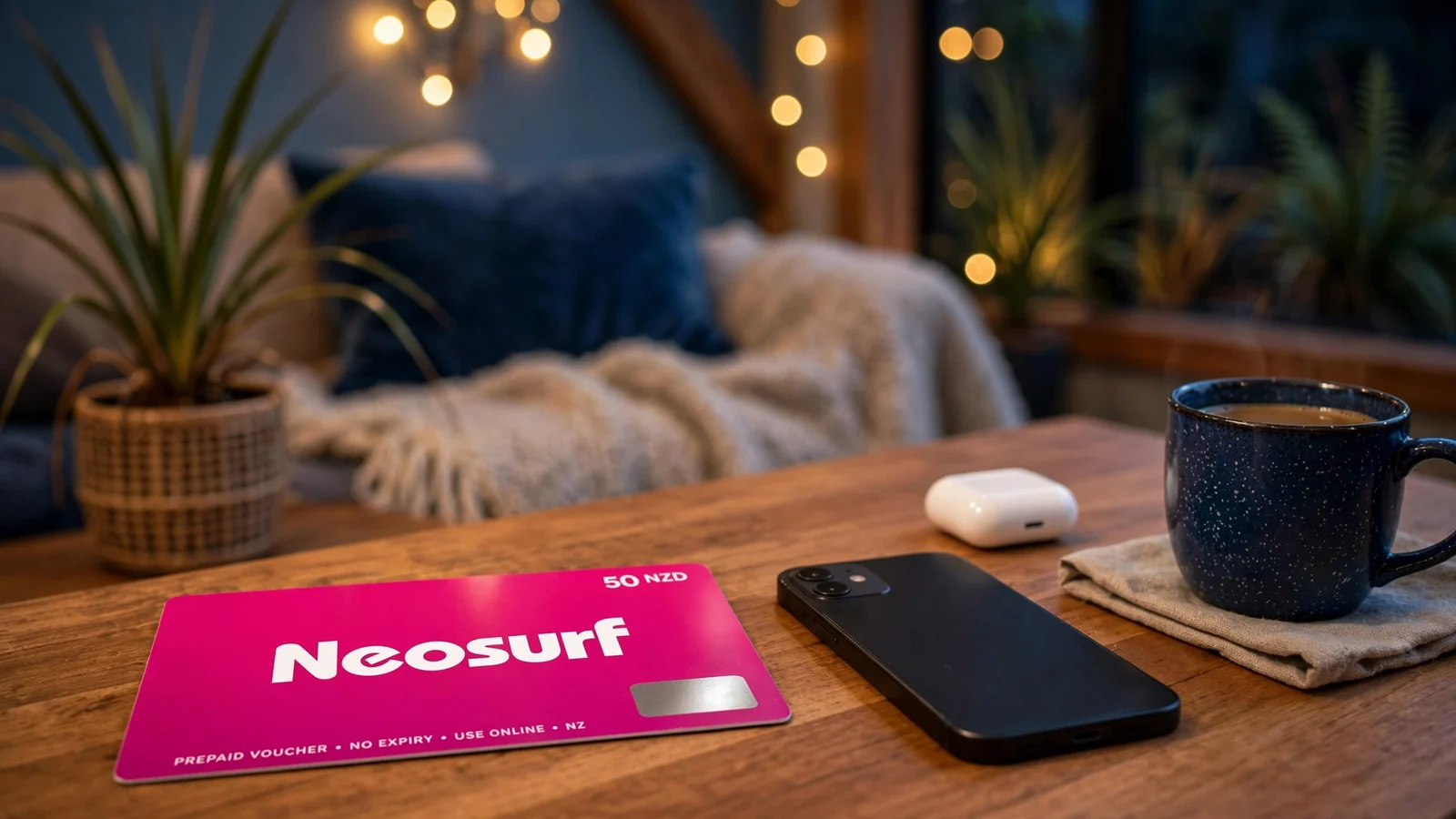
Before registering, decide which payment method you would actually use, then look for its minimum in the cashier or payment information. If the site shows a general minimum but does not make the method-specific amount clear, contact the operator for clarification before creating an account or sending money. Keep a record of the terms you relied on; payment options and their conditions can change.
Where an operator is licensed, Department of Internal Affairs standards require clear disclosure of minimum deposit figures. That disclosure is useful only if you can identify which amount applies to your chosen route. Read the payment-specific information rather than assuming the most prominent figure covers every option.
Also check the withdrawal minimum and maximum for that same method before depositing. A payment route can have conditions that matter when money is coming out as well as when it is going in. Confirm whether your preferred option is available for withdrawals, and whether the stated limits would suit the amount you expect to move. Do this before depositing, not after a balance is already in the account.
A careful comparison therefore involves more than asking whether a casino has a low minimum deposit. Check the cashier’s amount for your chosen method, whether that method can be used for withdrawals, and the withdrawal limits attached to it. If any of those details are missing or unclear, pause and ask the operator rather than relying on a broad site-wide claim. That small check can prevent a mismatch between the advertised entry amount and the payment route you intended to use.
Verify Deposit Terms
- Select your preferred payment method in the cashier
- Confirm the minimum deposit amount is in NZD
- Check the minimum withdrawal limit for that method
- Review the maximum withdrawal limit for that method
What to Check When You’re Looking for a $2 Minimum
A $2 starting deposit can be a useful figure to look for, but it is not a standard you can assume every online casino or payment option will accept. A specialist review describes New Zealand minimum deposits across a broad NZD $1–$20 range, with the amount depending on the operator and payment method. That range is a guide to the kinds of figures you may encounter, not a promise that a particular cashier will offer a $2 option.
Before registering, open the cashier and select the payment method you would actually use. Look for the displayed minimum for that method, rather than relying on a headline or a site-wide claim. The same casino may set different deposit floors for different methods, so an advertised $2 minimum might not apply to your preferred route. If the cashier does not show the amount clearly, check the payment terms or ask the operator for clarification before putting money in.
Pay attention to the currency and the wording beside the amount. Confirm that the figure is in New Zealand dollars and applies to a deposit, not to a bonus, a promotional offer or another transaction. Also check whether the displayed minimum is specific to the selected method. A number shown on a general payments page may not settle what you can deposit through the option you intend to use.

It is worth checking the other end of the transaction at the same time. Review the minimum and maximum withdrawal amounts for your preferred payment method before depositing. A low entry threshold does not tell you whether a later withdrawal will fit your needs, and the relevant limits may differ by method. Reading both sets of limits first gives you a clearer picture of the full payment route.
If you cannot find a $2 option, do not treat that as a reason to choose a different method without checking its terms. The minimum shown in the cashier is the amount to rely on for that payment route; a figure presented elsewhere may describe a different option or may no longer apply. If the method you want has a higher floor, decide whether that amount is acceptable before continuing.
A careful check takes little effort: select your intended method, confirm its deposit minimum in NZD, and review its withdrawal limits. That helps distinguish a genuine $2 starting point from a general advertised figure that does not match the transaction you plan to make.
Why $10 and $20 Deposits Can Depend on Your Payment Route
A deposit figure is tied to the route you choose, not necessarily to every way of paying into the same account. That distinction matters if you are comparing a $10 minimum with a $20 one: a site-wide headline may not describe the amount required by the bank transfer option shown in the cashier.
Typically feature minimum deposits in the NZ$10–NZ$20 range.
Often have no fixed operator minimum, though blockchain network requirements apply.
Services like Skrill and Neteller may offer starting points as low as NZ$5.
A specialist review of New Zealand-facing casinos reports bank-transfer minimums in the NZ$10–NZ$20 range. Treat that as an indication of what a particular payment route may require, not as a guaranteed price across operators or a permanent market rule. The amount can differ between casinos and may change, so the cashier is the place to confirm the current figure for the bank method you intend to use.
If you have a fixed budget, check the exact threshold before registering. A casino that advertises a lower starting deposit may still set a higher minimum for bank transfers. Conversely, the fact that one transfer option requires NZ$20 does not establish that every available method has the same floor. Compare the listed methods and read any conditions attached to the payment option, rather than assuming that the advertised amount applies uniformly.
Cryptocurrency works differently. A specialist review reports that some casino cryptocurrency deposits have no fixed minimum set by the operator; in practice, the amount that can be sent depends on the blockchain network used. That does not mean any amount will necessarily work. The network’s requirements affect what can be transferred, and the cashier may still state a minimum for a particular coin or route. Check the chosen network and the amount displayed before sending funds.
This is why a $10 or $20 bank-transfer threshold cannot be compared directly with a cryptocurrency deposit that has no operator-set floor. One amount may be a stated casino minimum; the other may be constrained by the mechanics of the transfer. Neither figure tells you, on its own, whether the method suits your budget or whether it is available on the terms you expect.

Before registering, open the cashier information for your preferred payment method and verify its deposit minimum. Do not rely on a site-wide advertised figure as though it automatically applies to every route. Before depositing, also check the withdrawal minimums and maximums for that same method: being able to send a small amount does not establish that you can later withdraw an amount of your choosing through it.
The practical comparison is therefore between complete payment routes, not just headline numbers. Confirm the deposit threshold, the applicable network or transfer requirements, and the withdrawal limits before deciding how to fund an account. These details can make two apparently similar minimums quite different in practice.
A Small Deposit Is Not the Same as Easy Access to Your Money
A low starting point can make real-money play possible with a small amount, but it says little about how readily you can withdraw funds later. Depositing and cashing out are separate steps, with their own payment rules, processing times and checks. Before you put money in, look at the full route out as well as the amount accepted at the cashier.
Withdrawal timing depends on the method and the operator’s process. One specialist review reports that e-wallet withdrawals may arrive within 24 to 48 hours, with fees of 1 to 2%. Treat those figures as a report, not a promise for every casino or transaction: check the operator’s current withdrawal terms and the payment provider’s charges. A processing estimate may also differ from the time it takes for money to reach your account.
Withdrawal Risks
Incomplete KYC verification can prevent or delay your withdrawal regardless of the deposit amount used.
The withdrawal minimum matters too. A specialist review notes that some online casinos set a minimum withdrawal of NZ$50. If your balance is below the threshold, you may not be able to request a payout yet. That can make a small deposit less practical than it first appears, particularly if the rules also require you to use a particular payment route. Check the minimum and maximum withdrawal amounts for your preferred method before depositing; do not assume they match the deposit limits.
Identity checks can add another delay. Incomplete KYC verification may hold up or prevent a withdrawal request. You may be asked to provide identity or account documents, so check the verification requirements before playing and make sure the details on your account are accurate. If verification is still outstanding when you request a payout, the request may not move forward until the checks are complete.
Read the withdrawal terms for the exact payment method you intend to use, including any fees, limits and processing conditions. Keep a record of what the cashier and terms page say when you deposit. If the available information is unclear, pause and ask the operator for clarification rather than relying on the advertised minimum alone. A small deposit can limit how much you put at risk, but it cannot remove the conditions attached to getting your balance back.
Read Bonus Conditions Before You Treat a Low Deposit as Good Value
A small starting deposit does not tell you whether a bonus is usable. The important details are the wagering requirement, any limit on bets while the offer is active, and how long you have to meet its conditions. Read those terms before you decide that a low-deposit offer adds value.

Published specialist reviews do not give a single picture of wagering requirements: welcome bonuses are described at 30x to 50x, while requirements attached to spin winnings are reported at 40x to 200x. These figures concern different types of promotion, so check which applies to the offer in front of you. A large bonus headline can be less useful if the playthrough requirement makes it difficult to withdraw winnings.
Also look for a maximum bet while bonus funds are active. Specialist reviews report a limit of NZ$5 per spin in some offers. Exceeding an offer’s stated cap may affect eligibility for winnings, so check the terms before choosing a game or stake rather than assuming ordinary play rules apply.
Expiry is another practical constraint. Specialist reviews describe bonus funds expiring after 7 to 30 days, depending on the casino. Check when the clock starts, what activity counts towards the requirement, and whether unused funds or related winnings are removed when the period ends. If you cannot meet the conditions in time, the bonus may add pressure rather than value.
This matters whether you are considering a $1 deposit or a $5 deposit. Neither amount, by itself, identifies the best bonus or the best minimum-deposit casino for you. A mobile offer is subject to the same need for clear terms: make sure the rules are accessible and readable before you opt in. Compare the conditions attached to the specific promotion, not just its headline amount, and note whether the bonus is optional. If the terms are unclear, pause before accepting it.
Bonus Value Checks
- Check wagering requirements, which can range from 30x to 200x
- Verify maximum bet limits while using bonus funds
- Note the expiry period, typically between 7 and 30 days
- Ensure bonus terms are accessible before opting in
Minimum Deposits and New Zealand’s Online Casino Rules
A stated minimum deposit is useful only if you know which payment route it covers. In New Zealand, the Department of Internal Affairs oversees the online casino licensing framework, including standards requiring licensed operators to disclose minimum deposit figures clearly. That disclosure matters, but a site-wide figure may not apply to every payment method offered at its cashier.
The Department’s oversight role is distinct from the Gambling Commission’s licensing work. The Commission considers and decides casino licence applications, issues licences, and approves changes to licence conditions. It is therefore the body involved in decisions about who may hold a licence and what conditions apply; the Department oversees the wider framework.
The legal setting is changing. The Online Casino Gambling Act 2026 took effect on 1 May 2026, establishing New Zealand’s first domestic licensing system for online casino gaming. Its transition period runs from that date to 1 December 2026. Operators that were already serving New Zealand customers before the Act began may continue during this period, subject to the Act’s transitional provisions. The full licensing regime is not expected to be operating in full until 2027.
This transition means that the label “licensed” needs context. Before the new law, offshore online casinos were not licensed or supervised by a New Zealand regulator, and customers wagering with those sites had no domestic government recourse. The Gambling Act 2003 does not permit online casinos to be based in New Zealand; the new Act creates a licensing route for providers, rather than turning the former arrangement into a domestic system overnight.

When assessing a minimum deposit casino, treat the displayed amount as an operator disclosure, not as proof by itself of a particular regulatory status. Consider whether the figure is tied to your chosen payment method, and whether the operator’s position fits the transitional rules applying at the time. A minimum deposit casino in 2026 sits within a changing framework, so clear payment information and accurate licensing context are separate things to check.
Can You Find a Casino with a $3 Minimum Deposit?
A $3 starting point may appear in a casino’s payment information, but it should not be treated as a confirmed option simply because you are looking for one. A specialist review describes deposit thresholds across New Zealand-facing online casinos as ranging from NZD $1 to NZD $20, with the amount depending on both the operator and the payment method. That range gives context, not a promise that a particular site will accept $3.

The figure shown in a promotion or general payment summary may be a site-wide minimum rather than the minimum for the method you intend to use. The cashier can display different thresholds for different methods, and those details may change. If you find a casino described as accepting a $3 deposit, open its cashier and select your preferred method to see the amount currently required. Check this before registering, rather than assuming the advertised figure applies to every route.
If the cashier shows a higher minimum, depositing less may not be possible through that method. You can compare the amounts displayed for the methods available to you, but do not choose a route without checking its terms and whether it suits your needs. The practical question is not only whether a casino advertises a $3 minimum; it is whether the cashier accepts that amount through the payment method you plan to use.
Treat the exact figure as something to verify on the site, not as a guaranteed feature attached to the casino.
Written by the editors at Casino Payment Tips NZ.