
NZ casinos with POLi: deposits and bonus eligibility
 Available in US
POLi being mentioned does not confirm acceptance or bonus eligibility; the offer’s payment terms determine whether a deposit qualifies.

Table of Contents
- POLi Deposits and Casino Bonus Eligibility
- POLi as a Casino Payment Method
- How to Check Whether a Casino Accepts POLi
- Paying for Online Casino Play with POLi
- New Zealand Online Casino Rules to Know in 2026
- What “POLi Casino” Searches Can—and Cannot—Confirm
- Before You Try to Pay at a Casino with POLi
- POLi Casinos and Real-Money Play in New Zealand
- Checking a $5 POLi Deposit Claim
- Verifying Claims About Casinos Using POLi
POLi Deposits and Casino Bonus Eligibility
A deposit and a promotion are separate decisions. Seeing POLi mentioned in connection with a casino does not establish that a deposit made with it will qualify for a bonus. Eligibility depends on the terms of the particular offer, and those terms need to be checked before you opt in or make a payment.
This matters most when a promotion is presented as a welcome offer. The headline may describe a reward for new customers, but the detailed conditions determine who can claim it and what actions are required. If the terms name eligible payment methods, check whether POLi is included. If they exclude a method or leave the point unclear, do not treat the deposit as eligible just because the offer appears on the same site.
A deposit offer is not the same as a no-deposit bonus
A deposit bonus is linked to a qualifying payment. A no-deposit bonus, by contrast, is described as an offer that does not require you to make a deposit to receive it. The label alone does not establish that an offer is available, who can claim it, or whether POLi has any role in claiming it.
If you’re considering a casino in New Zealand for 2026, this list gives you a concise reference for reviewing the available details. Check directly with each operator whether POLi is currently available to you before signing up.
Payout speed: 1-3 business days Wintino lists a payout speed of 1–3 business days.
License: Curaçao Gaming Authority, licence no. OGL/2024/165/0185 BitStarz lists a Curaçao Gaming Authority licence, number OGL/2024/165/0185.
License: Tobique Gaming Commission, licence no. 0000002 Ricky Casino lists a Tobique Gaming Commission licence, number 0000002.
License: Tobique Gaming Commission, licence no. 0000064 Neospin lists a Tobique Gaming Commission licence, number 0000064.
License: 07017519840 · Payout speed: 1-3 business days Zotabet lists the licence identifier 07017519840 and a payout speed of 1–3 business days.
License: Malta Gaming Authority, licence no. MGA/B2C/394/2017 N1 Casino lists a Malta Gaming Authority licence, number MGA/B2C/394/2017.
Payout speed: 1-3 business days Lamabet lists a payout speed of 1–3 business days.
License: Tobique Gaming Commission, licence no. 0000091 7Bit Casino lists a Tobique Gaming Commission licence, number 0000091.
License: Malta Gaming Authority, licence no. MGA/B2C/370/2017 Play Grand lists a Malta Gaming Authority licence, number MGA/B2C/370/2017.
That distinction can prevent a costly assumption. If you are looking for a no-deposit offer, a POLi deposit is not evidence that you have met its conditions; the offer may have separate registration, account or claim requirements. If you are considering a deposit-linked promotion, do not assume that the word “bonus” means every payment route is treated alike. Read the conditions for the specific offer rather than relying on a general description.
A search for a POLi casino bonus, including a no-deposit offer, cannot settle these details. The useful evidence is the promotion’s own current wording and any related terms shown by the operator. If they do not explain whether a POLi-funded deposit counts, ask for a clear answer before proceeding. Keep the response with the offer details so you can refer back to what was stated.
What to check in the offer terms
Read the full promotion conditions, not just a banner or short description. Look for any wording about eligible deposits, payment methods, opt-in steps, existing accounts and the period during which a claim can be made. These details can determine whether an offer applies to you even when you otherwise appear to meet its headline description.
Also check what happens after an offer is accepted. Bonus conditions may affect how funds can be used or when winnings can be withdrawn. Do not infer those rules from the size or wording of a promotion. The terms should explain the requirements, and you should be comfortable with them before accepting the offer. If an important point is absent or ambiguous, pause rather than treating silence as approval.

If you have already made a deposit, avoid making another one simply to try to trigger a promotion. First review the terms and contact the operator through its official support channel if the wording does not answer your question. Ask specifically whether your deposit method is eligible for that named offer and whether any opt-in action was required before depositing. A general assurance that bonuses are available may not answer either point.
Keep the decision separate from the payment
The practical question is not whether POLi is mentioned somewhere on a casino page; it is whether the exact offer’s conditions cover the deposit you intend to make. A payment method and a bonus are not interchangeable features. One does not prove the availability or eligibility of the other.
For a low-deposit promotion, do not assume that a small payment will qualify simply because the amount seems sufficient. The offer terms must state the qualifying conditions. Likewise, an advertised no-deposit bonus should not be read as confirmation that you can deposit with POLi and receive a separate reward. The two descriptions concern different types of offers.
Before accepting anything, save or note the relevant wording and check that it refers to the offer you intend to claim. If the terms change or a support reply conflicts with them, resolve the discrepancy before paying. This is especially important when an offer is time-limited or has several conditions: a prominent headline cannot replace the rules governing eligibility.
- Read the full promotion conditions
- Check for eligible payment methods
- Ask support for a clear answer
- Save the wording of the offer
- Assume a POLi deposit is eligible
- Rely on a general banner description
- Treat a no-deposit bonus as evidence
- Make extra deposits to trigger a bonus
The careful position is straightforward: do not count a POLi deposit as bonus-eligible unless the specific promotion terms clearly say it is. Do not count on a no-deposit offer merely because it appears alongside information about deposits. Confirm the offer, its conditions and any required action first; if those points remain unclear, make your payment decision without assuming a bonus will follow.
POLi as a Casino Payment Method
A payment method’s name tells you what option is being discussed, but it does not explain how that option works at a particular casino. For POLi, avoid assuming details from the label alone. The name does not, by itself, establish what information a payment would require, how a transaction would be authorised, when funds would appear in a casino account, or whether the same method could be used for a payout.
That distinction matters when you compare payment options. A method may sound familiar, yet the practical experience depends on what the casino and payment provider make available for that transaction. Before treating POLi as a suitable way to fund online casino play, look for information that addresses the service itself rather than relying on a page title, a general description, or a claim copied without context.
Useful details to understand include the payment’s route, any account or device requirements, and what happens if a transaction is declined or interrupted. These are questions to resolve, not features to assume. If a casino’s information does not explain them, you cannot safely fill the gaps with expectations based on other payment services. Different methods can have different requirements, and a name shared across pages does not prove that the underlying process is the same.


Deposits and withdrawals should also be considered as separate functions. A casino may describe a method in connection with one kind of transaction without making a promise about the other. The general phrase “POLi payment” is not enough to establish that money can move both into and out of a casino account, or to explain any conditions that might apply. Treat payment and payout information as distinct rather than reading one as a guarantee of the other.
The same care applies when you use a casino website through a mobile app. A payment option mentioned in general site information does not necessarily tell you whether it is available in the app, on your device, or in the version of the service you are using. Those details need to be clear for the specific route you intend to use. Do not assume that a payment option shown in one context will appear in another.
It is also worth separating a payment method from an offer or promotion. A casino’s description of a payment option does not establish whether a particular deposit would meet the terms of an offer. Those conditions belong to the offer itself, and the payment method’s name cannot answer them. Read any relevant terms before making a decision, rather than inferring eligibility from a general payment description.
When assessing POLi as a casino payment method, the sensible starting point is therefore modest: identify what the casino actually says about the service and whether the information is specific to the transaction you have in mind. Look for clear wording about the role of the method, the applicable conditions and any limits on its use. If the description leaves an important point unresolved, pause before relying on it. A payment option is only useful to you when its practical terms are clear enough to make an informed choice.
A payment method’s name does not guarantee its availability for payouts, its costs, or its specific mechanics at every casino.
The key is not to treat a familiar name as a complete explanation. POLi may be the subject of a casino payment description, but that wording alone cannot establish its mechanics, availability, costs, timing or payout role. Those are separate details, and each needs direct, current confirmation from the relevant operator before you rely on it.
How to Check Whether a Casino Accepts POLi
A payment logo on a casino’s homepage is not enough to establish that POLi is available to you. The option may be absent from the cashier, limited to certain account settings, or shown on a page that is no longer current. Check the operator’s own payment information and the cashier available to your account before relying on a claim.
Start with the site’s payments, banking or frequently asked questions page. Look for POLi by name and read the surrounding wording: it should say whether the method is available for deposits, withdrawals, or both. A general reference to online banking does not, by itself, confirm POLi support. Nor does a third-party directory or an old review prove that the option is currently offered.
Check the cashier you would actually use
If you already have an account, sign in and inspect the cashier without submitting a payment. Check the available deposit methods and whether POLi appears as a selectable option. A payment method mentioned in general information but absent from the cashier may not be available for your account.

Availability can also differ between a mobile browser and an app. If you intend to play on a phone, check the payment information in the same version of the casino you expect to use. Compare it with the desktop site if necessary, but do not assume that a method displayed on one platform will also appear on another. A mobile-friendly casino is not automatically a POLi mobile casino.
Before acting, confirm that you are viewing the operator’s current, genuine website rather than a copied page, an advertisement or an outdated listing. Be careful with search results that use broad labels such as “bank transfer”; the label may describe a different payment route. The exact method should be identified as POLi in the operator’s own information or cashier.
Ask a precise question
If the site’s information is unclear, contact customer support through a channel provided on the operator’s website. Ask whether POLi is currently available to a New Zealand account, whether it is available on the mobile version you plan to use, and whether the cashier will display it before you make a payment. Ask for a link to the relevant payment terms if the answer is unclear.
Keep the response for reference, including the date and the part of the site it relates to. A general answer such as “we accept bank payments” does not resolve whether POLi itself is supported. If the response conflicts with the cashier or published terms, do not treat the conflict as confirmation; ask the operator to clarify it before proceeding.
How to verify POLi
Visit the casino’s payments, banking, or FAQ pages to see if POLi is explicitly named.
Sign in to your account and check if POLi appears as a selectable option in the deposit section.
Contact support to confirm availability for New Zealand accounts and your specific mobile device.
Treat claims as time-sensitive
A new casino may advertise a payment method before its cashier information is complete, or an older review may remain online after payment options have changed. That does not show that the site accepts POLi now. Look for a recent, operator-controlled statement and cross-check it against the live cashier where possible. If neither provides a clear answer, regard acceptance as unconfirmed rather than inferring it from a logo, a review or another player’s experience.
For a careful check, you want the method named explicitly, the relevant account and platform covered, and the operator’s information to agree across its own pages. This helps separate a genuine, current indication from a vague claim. It does not guarantee that a payment will be available at the moment you try to use it, so confirm again before making a decision.
Paying for Online Casino Play with POLi
If you want to pay for online casino play with POLi, the key question is not simply whether a casino mentions the payment method. You need to know whether the particular site currently offers it for the transaction you intend to make, and what its own instructions require. Those details should come from the operator, not from assumptions about how a POLi payment is meant to work.
Payment arrangements can be specific to an operator and may change. A reference to POLi on a page does not, by itself, establish that you can use it in the casino cashier, that it is available to every customer, or that a payment will be handled in a particular way. Treat any general description as a prompt to check the terms that apply to your account, rather than as confirmation of a working payment route.


Before authorising anything, read the instructions shown by the casino for that transaction. Make sure the payment method is explicitly identified, the amount and destination match what you intend, and you understand what the operator says will happen after you proceed. If the instructions are unclear, pause and ask the casino for clarification through its official support channel. Do not fill gaps by guessing at a payment sequence or relying on instructions written for another site.
It is also sensible to separate the casino’s account balance from the status of a payment. Seeing a payment option does not prove that a transaction has completed, and an unclear status should not be treated as confirmation that funds are available for play. Check the casino account and any relevant payment record before taking further action. If the status is uncertain, contact the operator rather than attempting another payment on the assumption that the first one failed.
Keep a record of the instructions and any confirmation displayed for your transaction. This can help you explain the issue if the casino’s account balance does not reflect what you expected. Use the operator’s stated process for resolving payment questions, and avoid sharing sensitive account information in a channel that the operator has not identified as official. If you cannot establish what a payment screen is asking you to approve, do not continue until the operator explains it.
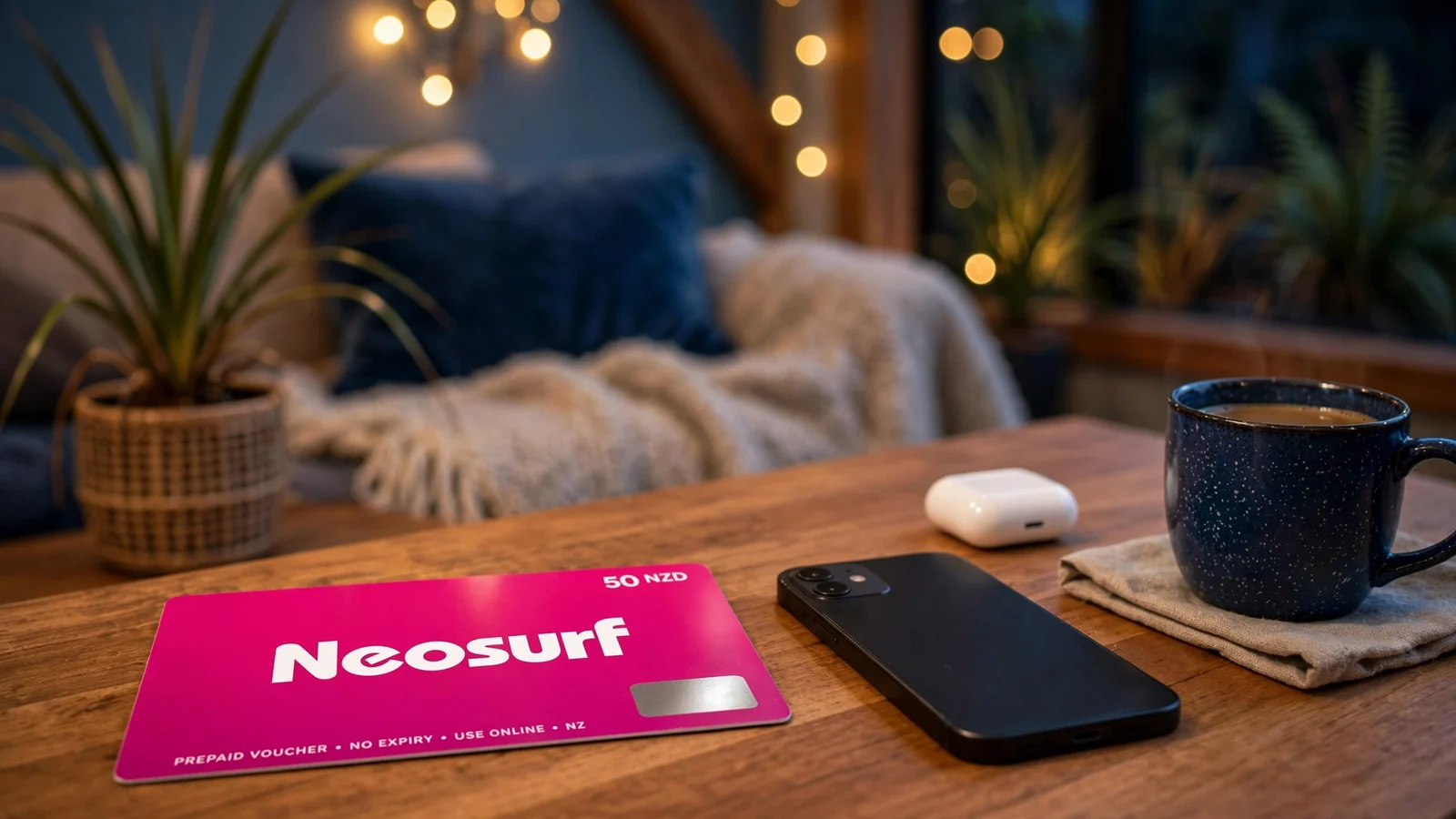
Attention Do not share complete prepaid PINs through live chat or email, as this information should not be shared in support conversations.
The phrase “pay with POLi” can also blur several separate points: whether the method appears for a particular casino account, whether the operator accepts it for the intended transaction, and what happens after authorisation. One answer does not automatically settle the others. A site may describe a payment method without making clear whether it is available to you at the point of payment. The current cashier and the operator’s terms are more relevant to your decision than a general claim elsewhere.
Do not assume that every casino uses the same labels, conditions or process. A guide written for one operator may not apply to another, and old instructions may no longer match the live cashier. If the payment route is not clearly presented, or the operator’s explanation conflicts with what you see, stop and seek clarification before authorising a transaction. That is more useful than trying a sequence of steps that has not been confirmed for your account.
A careful approach does not establish that POLi is available at any particular casino. It helps you avoid treating an advertised or discussed method as proof that you can use it for your own payment. Proceed only when the operator’s current instructions make the transaction clear and you are comfortable with what you are being asked to approve.
New Zealand Online Casino Rules to Know in 2026
New Zealand’s online casino rules are changing during 2026, so the date matters when you assess what a provider may do. The Online Casino Gambling Act 2026 came into force on 1 May 2026 and created the country’s first domestic licensing framework for online casino gambling. That does not mean the full licensing system became operational on that date: the complete regime is expected to be in place in 2027.


The transition has a defined end point. Providers that were already serving people in New Zealand before 1 May 2026 may continue operating under the Act’s transitional provisions until 1 December 2026. By that date, providers that have not applied for a licence must stop conducting online casino gambling in New Zealand. If a provider’s application is declined, it must also cease those operations and leave the market.
This is a temporary arrangement, not a statement that every casino available during the transition is licensed or approved. Before the new Act, offshore online casino services were not licensed or supervised by a New Zealand regulator. A customer who wagered with an offshore site in that period had no domestic government recourse. The transition introduces a route to local licensing, but the complete regime is still to come.
What the rules mean for providers and players
The Gambling Act 2003 prevents online casinos from being based in New Zealand. The 2026 law establishes a domestic licensing regime for online casino gaming, while providing transitional treatment for eligible providers already operating in the market. Unlicensed operation is expected to become an offence around mid-2027.
The consequences described in the law are directed at providers, not players. A Kiwi user should distinguish a provider’s regulatory position from the legality of an individual choosing to use an offshore website: the market framework does not impose a fine or criminal prosecution on the player for doing so. That does not create domestic consumer protection where none applies, or guarantee that a particular operator will resolve a dispute in your favour.
Licensing Warning
Providers that have not applied for a licence must stop conducting online casino gambling in New Zealand by 1 December 2026.
In practical terms, a payment option does not establish a provider’s licensing status. Nor does a casino’s availability to New Zealand users, by itself, show that it has applied for or received a licence. Treat claims about a provider’s position as something to confirm through current, operator-specific information rather than inferring it from a cashier, brand name or payment method.
Advertising is restricted during the transition
Providers are prohibited from advertising online casino gambling services to people in New Zealand during the transition period. This limits how services may be promoted, even while some existing providers can continue operating under transitional provisions. The restriction is not a reason to treat promotional visibility as proof of approval: an advertisement or sponsorship is not a substitute for checking the applicable rules.
Once licensed operators are permitted to advertise under the new regime, their advertising remains subject to tight controls, and sponsorships are prohibited. These boundaries matter when you encounter promotions or claims aimed at New Zealand customers. Avoid taking a marketing message as evidence that the operator has completed the licensing process.
The key dates describe a phased change, not a single overnight switch. During 2026, some providers may continue under transitional rules; by 1 December, providers that have not applied must exit, and the full licensing regime is expected to follow in 2027. Keep those distinctions in mind when assessing what a casino may offer and what recourse is available if a problem arises.


What “POLi Casino” Searches Can—and Cannot—Confirm
A page described as a POLi casino may be using the term as a broad label, not making a precise claim about what you can do there. The wording alone does not establish that a particular operator accepts POLi, that the option is available to every customer, or that the site is suitable for you. Treat the label as a starting point for checking details, not as proof.
The word “best” needs the same care. It can reflect a page’s own selection criteria rather than an independently verified comparison. A confident heading does not tell you how operators were assessed, whether information is current, or whether the comparison addresses what matters to you. Before relying on a recommendation, look for clear, operator-specific evidence behind its claims and consider whether the stated criteria match your needs.
It also helps to separate three ideas that can be blurred together: a site discussing POLi, a casino advertising a payment option, and a payment option actually being available when you use the operator’s cashier. A page may mention a method without establishing that it can be selected for your account or transaction. Nor does a payment reference by itself confirm that the operator is suitable for real-money play.
Be cautious with descriptions that treat “POLi” and “casino” as if they were a single product or company. POLi is a payment-method name; the casino is a separate service provider. A page that puts the terms together may be describing an intended combination, but that wording does not verify a relationship between the two. Check who is making each claim and whether it refers to a named operator rather than a general category.
The main point
A POLi-related label is a starting point for checking details, not proof of acceptance or suitability.
A useful assessment looks beyond the label. Consider whether the page identifies the operator, explains the basis for its claims, and distinguishes confirmed details from general commentary. Be wary of language that suggests universal availability or makes a broad recommendation without showing what it rests on. If information is vague, contradictory, or difficult to connect to the operator itself, do not fill in the gaps with assumptions.
The key point is modest but important: a POLi-related description can tell you what a page is discussing, but it cannot by itself confirm acceptance, account eligibility, or overall suitability. Those are separate matters, and each needs evidence relevant to the operator and to your circumstances. A search result is not a guarantee, endorsement, or substitute for reading the terms that apply to the service you are considering.
Before You Try to Pay at a Casino with POLi
A payment option appearing in a search result or on an old review page is not enough reason to start a transaction. Before attempting to pay at a casino with POLi, make sure the operator itself currently presents POLi as an available method for your account and region. Payment options can change, so rely on information shown in the casino’s own cashier and current terms rather than a general claim.
Read the payment conditions before proceeding. Check whether the operator states any fees, limits, currency rules or account requirements for the method. If a condition is unclear, pause and ask the operator to explain it before authorising anything. Do not assume that a payment method will behave the same way across different casinos.


It is also worth confirming what the payment screen will show before you commit. Check the amount and currency, and make sure you understand which service is receiving the payment. If the details do not match what the casino has stated, do not continue just to see whether the transaction goes through. A declined or interrupted payment can leave you unsure whether money has moved; check your bank account and the casino balance before making another attempt.
Keep your own records of what the operator says and of any transaction confirmation you receive. If the casino’s payment information conflicts with its cashier, seek clarification through the operator’s official support channel. Never send a complete prepaid PIN through live chat or email; that information should not be shared in a support conversation.
Before you use any casino payment option, consider whether you can afford to lose the amount you intend to spend. Do not borrow, or keep trying to fund an account after a payment fails. If gambling is causing concern, Gambling Helpline NZ can provide support.
The practical point is simple: treat POLi as an option to verify, not as a payment you can assume will be available. Proceed only when the casino’s current information is clear, the amount is correct and you are comfortable with the terms. If any of those checks fail, leave the transaction unfinished.
POLi Casinos and Real-Money Play in New Zealand
When you are considering real-money casino play, the payment label is only one part of the decision. A site describing itself as a POLi casino does not, by that wording alone, establish that POLi can be used to fund play there. Nor does it confirm that the operator offers real-money gambling to Kiwi users.
Difference between POLi and the operator
POLi is a payment-method name, whereas the casino is a separate service provider. One does not determine the rules, support, or licensing of the other.
Keep those questions separate. First, establish what kind of play the operator offers and who can access it. Then consider whether the payment method you intend to use is actually available for your account and transaction. A casino’s general payment information may not describe every user’s options, and a method appearing in search results is not proof that it is available at a particular site.
Before putting money at risk, read the operator’s terms for real-money accounts, payments and withdrawals. Check that you understand how funds are handled and what conditions apply if you later want to withdraw. Do not assume that being able to make a payment means you can receive a payout through the same route; the available options and conditions need to be clear to you before you proceed.
There is also a difference between a payment service and the gambling operator. POLi’s name does not, on its own, tell you who runs a casino, what rules apply to your account, or what support is available if a dispute arises. Consider those matters independently rather than treating a familiar payment name as reassurance about the site.
The phrase “real-money play” should prompt a practical check, not an assumption that a particular POLi-enabled option has been confirmed. If the operator’s information does not clearly answer whether real-money access and your intended payment method are available to you, pause rather than relying on a label or an informal claim. A careful decision starts with knowing what the operator actually offers and what you may be agreeing to.
Checking a $5 POLi Deposit Claim
A $5 minimum deposit can sound like an easy way to try an online casino, but treat that figure as a claim to check, not a standard POLi term. The amount may be presented as a casino’s minimum, a payment-method limit or a promotion condition; those are not interchangeable.

Before you rely on it, look for the minimum deposit in the operator’s current cashier and terms. Check that the figure applies specifically to POLi, rather than to another payment option, and note whether it applies to a first deposit or to later deposits as well. If the cashier shows a different minimum from an offer page or an older review, rely on the current operator information and ask support to clarify before paying.
Also read the wording around any low-deposit promotion. A small payment does not, by itself, establish that a bonus is available or that the deposit qualifies for one. The offer’s payment exclusions and other conditions matter.
Do not send payment on the strength of a headline alone. Confirm the amount at the point where you would make the deposit, and pause if the details are unclear. A displayed minimum is useful only when it matches the payment method and terms you intend to use.

Verifying Claims About Casinos Using POLi
A statement that a casino uses POLi needs to be tied to the specific operator and the relevant account or site. A general mention of POLi, or a page describing online payments, does not establish that a particular casino currently offers it. Payment options can be presented differently across an operator’s services, so a broad claim should not be treated as confirmation for every brand or customer.
Look for the operator’s own current payment information and check that it names POLi, rather than relying on an old review, an unexplained logo or a third-party list. If the wording is unclear, ask the operator to confirm whether POLi is available for the casino you intend to use. Keep the reply and note which site or account it refers to; a response about another service may not answer your question.
Be cautious with claims that combine a casino name and POLi without showing where the information came from or when it was checked. Even a specific-sounding statement is not proof of present availability. Before acting on it, make sure the operator’s information agrees with the payment options shown to you. If those details conflict, pause rather than assuming the more convenient claim is correct.
Prepared by the Casino Payment Tips NZ editorial staff.